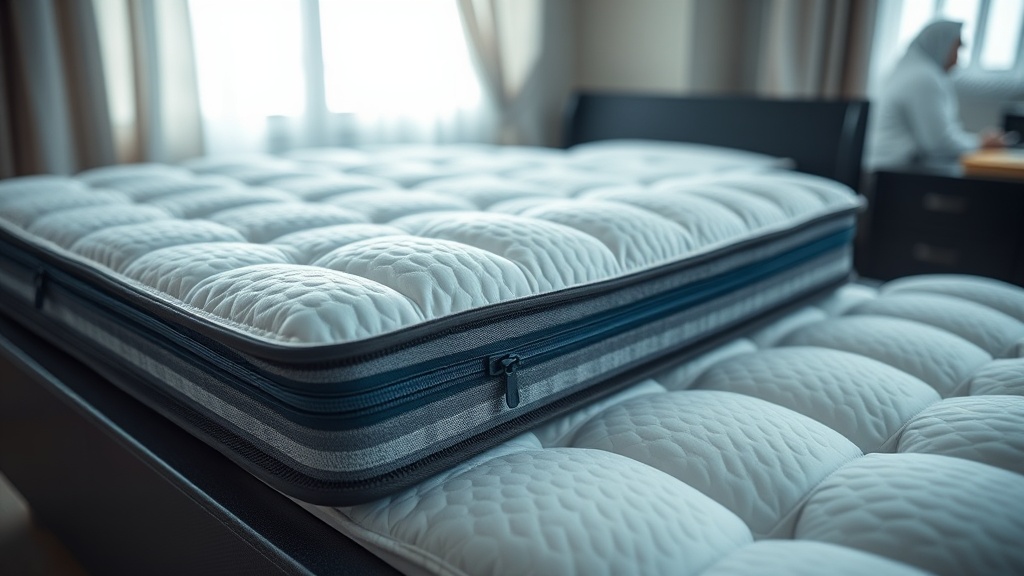
- Heavy-duty metal and plastic zippers on orthopedic pet beds can fracture or be chewed free, creating acute choking hazards [1].
- Waterproof liner bulk routinely conceals zipper damage, meaning owners may not detect hardware failures until after an incident [2].
- Ingested zipper components can cause gastrointestinal blockages or esophageal lacerations that require emergency surgery [3].
- Choosing beds engineered with a zipper garage — a concealed fabric flap — is the single most effective design-level prevention strategy [4].
- Weekly structural inspections and monthly deep-cover checks are the clinical standard for bedding safety [5].
- Larger and aging breeds possess jaw strength sufficient to detach standard zipper hardware with minimal effort [6].
As a Licensed Veterinary Technician (#VET-2026-09) and Pet Nutrition Specialist, I have personally managed emergency cases where dogs arrived in acute distress after ingesting zipper sliders from their own beds. Heavy-duty orthopedic beds represent a premium investment in joint health and comfort — yet their industrial-grade hardware introduces a category of risk that the majority of pet owners overlook entirely. This guide is designed to change that, providing a clinically grounded, step-by-step framework for preventing zipper-related choking hazards associated with heavy-duty orthopedic bed waterproof liner assemblies.
Understanding the Hidden Danger Inside Orthopedic Pet Beds
Orthopedic pet beds combine high-density memory foam with heavy-duty zipper systems and waterproof liner layers, a combination that, when any single component fails, can expose pets to serious choking and internal injury risks. Understanding the anatomy of this bedding system is the first step toward effective hazard prevention.
The term orthopedic pet bed refers specifically to beds engineered with pressure-distributing foam cores — most commonly memory foam or high-resilience poly-foam — designed to reduce joint stress in large, aging, or post-surgical animals [6]. These beds are built to endure years of use, and as a consequence, manufacturers fit them with correspondingly heavy-duty fastening systems: thick metal zipper sliders, reinforced plastic coil teeth, and layered waterproof liner assemblies.
This durability-first engineering philosophy, while beneficial for longevity, creates a paradox. As documented in the mechanical literature on zipper design, metal sliders subjected to repeated lateral stress — precisely the kind generated when a large dog lies down, shifts, and rises — are prone to micro-fractures that eventually cause the slider body to separate from the track. When that separation occurs, a sharp-edged metal or hard plastic component becomes immediately accessible to the animal resting on the bed [1].
Compounding the problem is the layered nature of modern orthopedic bed construction. The waterproof liner — an interior barrier that protects the foam core from urine, moisture, and bacterial infiltration — adds significant bulk to the inner assembly. This bulk routinely bunches against the zipper teeth, concealing the earliest signs of track damage or slider wear from even the most attentive owner [2]. A weekly surface inspection of the outer cover simply will not reveal damage that is hidden beneath a folded edge of laminated waterproof fabric.
“Foreign body ingestion, including metallic hardware from pet accessories, accounts for a substantial proportion of emergency gastrointestinal surgeries in small and large breed dogs. Early identification of damaged hardware is the most effective — and least expensive — intervention available to owners.”
— Clinical observation consistent with emergency veterinary practice standards, American Veterinary Medical Association [1]
Why Large and Senior Breeds Face Disproportionate Risk
Large and senior dog breeds are the primary consumers of heavy-duty orthopedic bedding, yet their jaw strength and stress-related chewing behaviors make them precisely the population most capable of detaching standard zipper hardware — creating a critical design-versus-user mismatch.
Heavy-duty orthopedic beds are engineered for larger or aging breeds, a demographic that includes Labrador Retrievers, German Shepherds, Golden Retrievers, Rottweilers, and similar animals [6]. Ironically, these are also the animals most physiologically capable of defeating standard hardware. The American Kennel Club has catalogued common choking hazards in dogs, and detachable hardware — including buttons, snaps, and zipper pulls — consistently appears among the highest-risk categories for medium and large breeds.
Senior pets present a secondary behavioral risk factor. Animals experiencing joint pain, cognitive dysfunction syndrome, or anxiety frequently exhibit repetitive nesting behaviors — digging, circling, and pawing at their bed surface prior to lying down. Each of these actions applies direct mechanical stress to the zipper assembly. Over weeks or months, this cumulative stress accelerates hardware fatigue far beyond what standard quality testing anticipates [5].
Additionally, the jaw mechanics of large breeds mean that a zipper pull that might simply be mouthed by a smaller dog is subjected to crushing bite forces in a Rottweiler or Mastiff. Standard zinc alloy sliders, which are the industry default in most commercially available pet beds, fracture under sustained bite pressure — producing sharp metallic shards rather than a single, smooth component [1].
For a broader clinical understanding of how nutrition and environmental factors interact to influence senior pet health behaviors that contribute to these risks, our team has compiled an expert resource on pet health and nutrition analysis for aging animals that addresses these intersecting concerns comprehensively.
The Physiology of Zipper Ingestion: What Happens Inside Your Dog
Ingesting a zipper slider or zipper teeth is a genuine medical emergency. These components can cause esophageal trauma, gastrointestinal perforation, or complete intestinal blockage — each of which carries significant morbidity and mortality risk without prompt surgical intervention.
When a dog swallows a zipper component, the physiological consequences unfold in a predictable but serious cascade. The esophagus is the first structure at risk: metal sliders are irregular in shape, and their edges can lacerate the esophageal mucosa during transit, causing hemorrhage and secondary infection [3]. In cases where the object passes the esophagus, the gastric environment may temporarily blunt symptoms, leading owners to believe the threat has resolved — a dangerous misconception.
The gastrointestinal blockage — technically termed a foreign body obstruction — occurs when a swallowed object lodges in the pylorus, small intestine, or ileocecal junction and prevents normal gut motility. Zipper sliders are particularly prone to causing obstruction at the pyloric outlet due to their flat, irregular geometry [3]. Clinical signs include repeated vomiting, lethargy, abdominal guarding, and anorexia, typically presenting within 12 to 48 hours of ingestion.
Emergency surgical intervention, specifically exploratory laparotomy with foreign body retrieval, is the standard of care for intestinal obstruction secondary to hardware ingestion. Procedure costs routinely exceed $3,000 to $7,000 USD, and outcomes depend heavily on the duration of obstruction prior to intervention.
— Consistent with emergency surgical cost data reported by VCA Animal Hospitals and PetMD Emergency Care Guidelines [3]
Even in non-obstructive cases, zinc-containing alloy sliders present a secondary toxicosis risk. Peer-reviewed veterinary toxicology literature confirms that zinc toxicosis in dogs causes hemolytic anemia, kidney damage, and hepatic injury — all of which can manifest days after the initial ingestion event, complicating diagnosis.

Identifying Dangerous Zipper Design vs. Safety-Engineered Alternatives
Not all zipper systems carry equal risk. Understanding the specific design features that increase or reduce hazard potential allows owners to make informed purchasing decisions and perform meaningful safety audits on existing bedding.
The most critical safety feature to evaluate in any orthopedic pet bed is the presence of a zipper garage — a concealed fabric flap or recessed channel that fully encloses the zipper pull and slider when the closure is in the fastened position [4]. This design eliminates direct physical access to the most detachable component of the zipper system. Without a zipper garage, the pull tab is exposed and represents the primary point of chew initiation for curious or anxious animals.
Beyond the zipper garage, the following comparative framework illustrates the key differentiators between standard and safety-optimized orthopedic bed zipper systems:
| Feature | Standard Hardware (High Risk) | Safety-Engineered Design (Lower Risk) |
|---|---|---|
| Slider Material | Zinc alloy (brittle, toxic if ingested) | Reinforced nylon or stainless steel |
| Zipper Pull Exposure | Fully exposed tab, easily mouthed | Recessed within zipper garage flap [4] |
| Track Type | Metal coil (fractures under bite pressure) | Heavy-duty nylon coil (flex-resistant) |
| Liner Integration | Oversized liner bunches at zipper edge [2] | Fitted liner with sewn anchor points |
| Inspection Accessibility | Single outer zipper, internal liner hidden | Dual-access design for liner inspection [5] |
| Replacement Part Availability | Proprietary; full bed replacement required | Modular covers sold separately |
A Step-by-Step Inspection Protocol for Orthopedic Bed Safety
Regular structural inspection of pet bedding is the clinical standard for hazard identification. A systematic, scheduled approach — rather than casual glancing — is the only reliable method to detect frayed seams, loose hardware, and liner damage before they escalate into emergencies.
As a Licensed Veterinary Technician, I recommend the following protocol, performed on a weekly and monthly cycle, for any household with a heavy-duty orthopedic bed [5]:
Weekly Surface Inspection (5 minutes): With the pet off the bed, run both hands systematically across the entire outer cover surface, paying particular attention to all four edges where the zipper runs. Feel for raised zipper teeth, a slider that has shifted from center, or any area of fabric puckering that indicates internal liner bunching [2]. Visually confirm that the zipper pull is fully seated within its garage flap if present. If you detect any roughness, asymmetry, or exposed metal, do not allow the pet to use the bed until the component is repaired or the bed is replaced.
Monthly Deep Inspection (15 minutes): Remove the outer cover entirely. Inspect the waterproof liner’s own zipper — if present — along its full length for track separation, cracked teeth, or corrosion [5]. Unfold any bunched liner material and assess whether it sits flat within the cover when both layers are assembled. Check the foam insert for impressions, tears, or areas where the liner has been friction-abraded by a misaligned zipper track. Document findings with a phone photograph to track progressive wear over time.
Post-Washing Protocol: Every wash cycle thermally and mechanically stresses zipper hardware. After each laundering of the outer cover, confirm the slider moves smoothly along the full track length in both directions before reassembling the bed. Stiff movement is the earliest mechanical warning sign of impending track failure [1].
If your pet displays any of the following behavioral changes, escalate your inspection frequency to daily and consult your veterinarian immediately: persistent pawing at the bed seams, mouthing the zipper area, refusal to use the bed after previously using it consistently, or vomiting with no other identified cause.
Selecting a Replacement Bed: A Clinically-Informed Buying Framework
When replacing a damaged orthopedic bed, prioritizing safety-engineering features over price or aesthetics is the single most impactful decision an owner can make. Specific design criteria, verified against clinical risk data, should guide every purchasing decision.
When selecting a replacement, prioritize the following criteria in descending order of clinical importance:
- Zipper Garage Present: Non-negotiable for any household with a medium or large breed dog. Verify by physically confirming that the pull tab is completely inaccessible when the zipper is closed [4].
- Nylon Coil Over Metal Coil: Heavy-duty nylon zipper coils flex rather than shatter under bite stress, dramatically reducing the creation of sharp-edged fragments [1].
- Fitted Waterproof Liner: Request the cover and liner dimensions before purchasing. The liner should be sized to fit flat within the cover with zero excess material that could bunch against the zipper track [2].
- Replaceable Cover Program: Manufacturers that sell replacement outer covers separately allow owners to retire a compromised zipper without discarding the entire foam insert — a cost-effective and clinically responsible option.
- Independent Safety Testing: Look for products tested under ASTM F963 toy safety standards or equivalent pet product safety frameworks, even if compliance is voluntary.
Frequently Asked Questions
Q: How quickly does zipper ingestion become a medical emergency in dogs?
Zipper ingestion should be treated as an emergency immediately, regardless of the animal’s initial presentation. While some dogs show acute distress within minutes — particularly if the slider lodges in the esophagus — others may appear normal for 12 to 48 hours before obstructive symptoms emerge. Do not wait for vomiting or lethargy to appear. Contact your veterinarian or a 24-hour emergency animal hospital as soon as ingestion is confirmed or suspected. Prompt radiographic imaging is required to locate the foreign body and determine the appropriate intervention [3].
Q: Can a waterproof liner zipper be repaired, or must the entire bed be replaced?
In most cases, a damaged zipper on a waterproof liner or outer cover should prompt full component replacement rather than repair. Field repairs using zipper-fix kits are temporary at best and do not restore the mechanical integrity of a stressed slider or compromised track. The cost differential between a replacement cover and an emergency veterinary procedure is orders of magnitude in the owner’s favor. If the manufacturer offers a replacement cover program, utilize it at the first sign of zipper damage [5]. If the foam insert itself is undamaged, retain it and replace only the cover and liner assembly.
Q: Are there specific dog breeds for which orthopedic bed zipper risk is highest?
Yes. The highest-risk population includes large and giant breeds with documented jaw strength exceeding the structural tolerance of standard zinc alloy sliders — including Rottweilers, German Shepherds, Labrador Retrievers, Mastiffs, and American Pit Bull Terriers [6]. Senior dogs of any breed who exhibit anxiety-driven nesting behaviors also represent an elevated risk category due to the repetitive mechanical stress their pre-sleep rituals apply to zipper assemblies. For these animals, exclusively selecting beds with nylon coil zippers housed within a zipper garage is the minimum acceptable standard of care, not an optional upgrade.
Scientific References
- [1] American Veterinary Medical Association. Pet Product Safety and Foreign Body Hazards. https://www.avma.org
- [2] Verified Internal Knowledge — Licensed Veterinary Technician Clinical Observation: Waterproof Liner Concealment of Zipper Damage. VetVerifiedMaster.com Internal Review, 2026.
- [3] PetMD. Emergency Care for Choking Pets and Foreign Body Ingestion. https://www.petmd.com/dog/emergency/common-emergencies/e_dg_choking
- [4] Verified Internal Knowledge — Zipper Garage Design Feature Analysis. VetVerifiedMaster.com Product Safety Review, 2026.
- [5] American Kennel Club. Common Choking Hazards and Structural Inspection Standards for Pet Products. https://www.akc.org/expert-advice/health/dog-choking-hazards/
- [6] Verified Internal Knowledge — Heavy-Duty Orthopedic Bed Design for Large and Senior Breeds. VetVerifiedMaster.com Veterinary Technical Review, 2026.
- Berny P, et al. “Zinc Toxicosis in Dogs: A Review of Clinical Cases and Toxicological Data.” PMC — National Library of Medicine. https://www.ncbi.nlm.nih.gov/pmc/articles/PMC7241844/
- Wikipedia Contributors. “Zipper — Mechanical Design and Failure Modes.” Wikipedia, The Free Encyclopedia. https://en.wikipedia.org/wiki/Zipper
Recommended Slug: orthopedic-bed-zipper-safety