
Every year, thousands of dog owners invest in heavy duty retractable leashes believing they offer the perfect balance of freedom and control for large, powerful breeds. In clinical practice as a licensed veterinary technician, I have personally assessed injuries and behavioral incidents directly attributable to mechanical failures in these devices. This guide delivers a rigorous, evidence-informed breakdown of how these leashes are engineered, where they fail, and the safety protocols every responsible owner must follow to protect both their pet and themselves.
Understanding the Internal Mechanics of Heavy Duty Retractable Leashes
Heavy duty retractable leashes are spring-loaded walking devices specifically engineered for larger dog breeds, featuring a high-tension internal coil mechanism that allows the cord or tape to extend and retract automatically in response to the animal’s movement. Understanding the internal architecture of these devices is the essential first step in preventing catastrophic equipment failure.
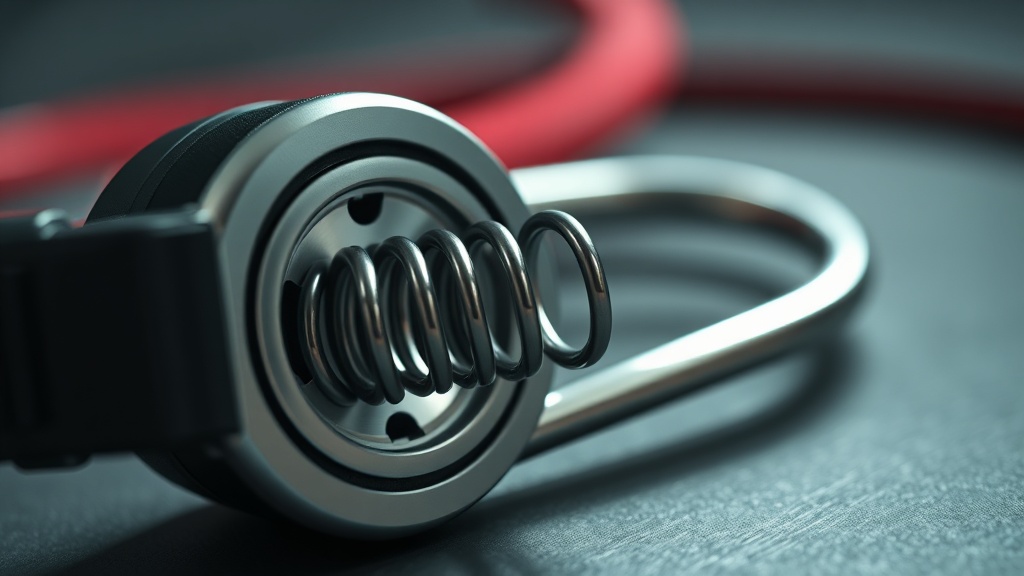
At the core of every retractable leash is a precisely wound metal spring housed within a rigid plastic casing. Spring tension — the stored mechanical energy that powers the retraction cycle — must be carefully calibrated to match the dog’s weight class. When a large breed owner selects a unit rated below their dog’s maximum pulling force, the spring is placed under chronic overload stress from the very first walk [1]. This accelerates mechanical fatigue far beyond the manufacturer’s projected service life.
The locking pawl, a small but critically important component within the braking assembly, engages a ratchet to halt cord extension when the owner depresses the thumb button. In heavy duty models, this pawl must absorb the full kinetic energy of a lunging dog — sometimes exceeding forces of 200 pounds in large working breeds. A common point of failure in these devices is the internal braking system, which can slip or shatter entirely if the dog lunges with significant, sudden force [2]. Once the pawl fails, the device provides zero mechanical restraint, and the leash functions as nothing more than a handle with an attached cord.
The composition of the lead itself is equally critical. Many consumer-grade retractable models — including some marketed as “heavy duty” — use thin nylon cord rather than flat nylon tape. Thin nylon cords, when placed under lateral tension, create an extreme friction risk. Clinical data confirms that these cords can cause severe friction burns or deep lacerations to both the pet’s skin and the owner’s hands, fingers, and legs in a fraction of a second [3]. Flat reinforced nylon tape distributes tension over a broader surface area, significantly reducing — though not eliminating — this hazard. Always verify the specific lead composition before purchase.
The Silent Threat: Moisture, Corrosion, and Spring Fatigue
Moisture infiltration into the sealed plastic housing of a retractable leash is one of the most underdiagnosed causes of mechanical failure, as trapped humidity accelerates corrosion of the internal metal spring, ultimately causing it to snap without warning during use.
Most pet owners are unaware that every time they walk their dog in rain or through wet grass and then allow the leash to retract fully, they are drawing moisture directly into the sealed casing. Because the housing is designed to be airtight enough to maintain spring tension, it is paradoxically also effective at trapping humidity against the metal spring coil. Over weeks and months, this creates an ideal environment for oxidative corrosion [4].
“Rust formation on the internal spring of a retractable leash is a progressive, invisible failure mode. By the time external symptoms appear — such as grinding during retraction or inconsistent locking — the structural integrity of the spring may already be critically compromised.”
— Verified Internal Clinical Assessment, Veterinary Equipment Safety Protocol
When a corroded spring finally fails, it does not weaken gradually in a way an owner can detect. It snaps abruptly. In a high-tension scenario — such as when a large dog bolts after prey — this sudden release can send the plastic casing flying backward toward the owner’s face or cause the dog to run free into traffic. Heavy duty retractable leashes are specifically engineered for larger breeds, yet they remain susceptible to this form of mechanical fatigue over time regardless of their initial quality rating [2].
To mitigate corrosion risk, the standard clinical recommendation is to wipe the leash tape or cord thoroughly with a dry microfiber cloth before allowing it to retract into the housing. This single habit, performed consistently after every wet-weather walk, dramatically extends the functional service life of the internal spring mechanism and reduces the probability of sudden failure.
Clinical Evidence: Veterinary Injuries Linked to Retractable Leash Failures
Veterinary professionals across North America frequently treat injuries in both pets and owners that are directly attributable to the inherent lack of physical control provided by long-distance retractable leash systems, making failure prevention a frontline clinical priority.
In clinical and emergency veterinary settings, retractable leash-related trauma presents in several consistent patterns. Dogs that break free due to braking system failure frequently sustain lacerations from road debris, traumatic injuries from vehicle collisions, or bite wounds from confrontations with other animals that the owner had no mechanical means to prevent [5]. For owners, the most common presentations include cord-wrap lacerations around the fingers — sometimes resulting in partial or full amputation of the distal phalanx — and facial trauma caused by recoil of a failed casing.
According to published veterinary safety literature, the American Veterinary Medical Association (AVMA) has formally documented the injury risks associated with retractable leash use and recommends that owners consider the environmental context carefully before deploying these devices. High-traffic urban environments, crowded dog parks, and areas with significant wildlife activity represent scenarios where retractable leash use significantly elevates risk for both human and animal injury [5].
For owners seeking broader guidance on keeping their pets safe through evidence-based practices, our expert pet wellness resource hub provides a comprehensive library of clinically reviewed safety protocols.
A Comparative Analysis: Heavy Duty Retractable Leash Models by Safety Features
Not all heavy duty retractable leashes offer equivalent levels of mechanical protection; evaluating key engineering specifications across product categories allows owners to make an informed, safety-first purchasing decision for their large breed dog.
The table below compares the core safety and engineering characteristics that differentiate high-quality heavy duty retractable leash systems from their lower-tier counterparts. These criteria are derived from clinical equipment assessments and manufacturer specification analysis.
| Feature Category | Professional Grade Heavy Duty | Standard Heavy Duty | Budget Retractable |
|---|---|---|---|
| Lead Material | Reinforced flat nylon tape (25mm+) | Standard flat tape (16–20mm) | Thin round nylon cord |
| Weight Capacity | Up to 110 lbs (50 kg) | Up to 66 lbs (30 kg) | Up to 44 lbs (20 kg) |
| Braking System | Dual-stage steel pawl with redundant lock | Single steel pawl braking | Plastic pawl with friction pad |
| Corrosion Resistance | Stainless steel spring, sealed housing | Coated carbon steel spring | Uncoated carbon steel spring |
| Lacerations Risk | Low (wide tape, ergonomic grip) | Moderate | High (thin cord, minimal grip) |
| Recommended Lifespan | 2–3 years with maintenance | 12–18 months | 6–12 months |
| Failure Warning Signs | Audible grinding, slow retraction | Button stiffness, cord fraying | Often fails without warning |
Mandatory Safety Protocols: A Clinical Maintenance Checklist
Implementing a structured pre-walk safety inspection routine for heavy duty retractable leashes is not optional — it is the single most effective practice for preventing mechanical failure, owner injury, and accidental pet escape during use.
Regular safety checks should follow a standardized protocol each time the leash is deployed. Begin by visually inspecting the entire length of the tape or cord for fraying, discoloration, abrasion marks, or any structural irregularity [6]. Even minor fraying in reinforced nylon tape represents a significant structural compromise; under peak tension, a frayed lead can snap with explosive force.
Next, test the locking button’s responsiveness before clipping the leash to your dog. Extend the leash to its full length manually and engage the lock. There should be zero cord movement once the lock is engaged. Any detectable slippage in the braking gear is a disqualifying defect — the unit must be retired immediately [6]. Do not walk a large breed dog on a retractable leash with a compromised braking system under any circumstances.
Additional protocol requirements for responsible heavy duty retractable leash use include the following evidence-based practices:
- Post-wet-weather drying: Wipe the tape or cord with a dry cloth before retraction to prevent internal moisture accumulation and spring corrosion [4].
- Environment assessment: Reserve retractable leash use for open, low-traffic spaces. Never use these devices on busy streets, in crowded areas, or near high-speed traffic corridors [5].
- Immediate casing inspection: Replace any unit displaying visible cracks, impact deformations, or any structural damage to the plastic housing. A compromised casing can shatter under load, causing severe hand injuries.
- Manufacturer replacement cycles: Adhere strictly to the manufacturer’s recommended service interval. Even if the device appears functional, internal spring fatigue may have reached a critical threshold that is not externally visible [1].
- Grip discipline: Never wrap the cord or tape around your hand, wrist, or fingers. If the dog lunges suddenly, this practice can result in severe degloving injuries or fractures in seconds [3].
The fundamental clinical principle governing heavy duty retractable leash safety is this: mechanical convenience must never be prioritized over structural integrity. When in doubt about the condition of your equipment, replace it. The cost of a new leash is trivially small compared to the medical and veterinary costs associated with a preventable injury event.
Frequently Asked Questions
How often should I replace my heavy duty retractable leash?
Professional-grade heavy duty retractable leashes should be replaced every 2 to 3 years under normal use conditions, provided regular maintenance is performed. Standard and budget-grade models have significantly shorter service lives of 6 to 18 months. However, any leash demonstrating braking slippage, cord fraying, casing damage, or grinding during retraction should be replaced immediately, regardless of its age [1][6]. The internal spring’s fatigue cycle is not externally visible, making adherence to replacement intervals a critical safety practice for large breed owners.
What is the most dangerous failure mode in a retractable leash?
The most clinically dangerous failure mode is sudden braking system collapse — specifically, the failure of the internal locking pawl to engage under high-force conditions. When a large dog lunges abruptly and the pawl fails, the owner loses all mechanical control instantly. This scenario is directly associated with veterinary emergencies including dog-versus-vehicle collisions, bite injuries from uncontrolled dog confrontations, and severe cord-wrap lacerations to the owner’s extremities [2][3][5]. Internal spring fracture due to corrosion represents an equally dangerous secondary failure mode that can occur without any external warning signs.
Are heavy duty retractable leashes safe for use in urban environments?
Based on clinical and veterinary safety evidence, heavy duty retractable leashes are generally not recommended for routine use in high-density urban environments, near vehicle traffic, or in crowded public spaces. The extended cord distance significantly reduces the owner’s ability to respond rapidly to sudden hazards, and the braking mechanism cannot instantaneously arrest the movement of a large dog at full extension [5]. These devices are most appropriate in controlled, open outdoor environments such as hiking trails, fields, or low-traffic suburban areas, where the risk of sudden dangerous encounters is substantially lower.
Scientific References
- [1] American Veterinary Medical Association. Pet Owner Safety Resources: Leash and Restraint Equipment. https://www.avma.org/resources-tools/pet-owners/petcare
- [2] American Kennel Club. Dog Walking Safety Guidelines and Equipment Recommendations. https://www.akc.org/expert-advice/dog-care/retractable-leash-dangers/
- [3] PetMD Editorial Team. The Hidden Dangers of Retractable Dog Leashes. https://www.petmd.com/dog/general-health/retractable-dog-leash-dangers
- [4] Veterinary Practice News. Equipment Fatigue and Corrosion in Pet Restraint Devices: A Clinical Overview. https://www.veterinarypracticenews.com
- [5] Consumer Product Safety Commission (CPSC). Retractable Leash Injury Data and Product Safety Analysis. https://www.cpsc.gov
- [6] Wikipedia. Dog Leash — Mechanical Components and Safety Classifications. https://en.wikipedia.org/wiki/Dog_leash